
New Psychoactive Stubstances
New psychoactive substances NPS: emerging drugs, risks, types, clinical response, harm reduction, surveillance, naloxone guidance, xylazine, nitazenes, benzodiazepine analogs, community alerts.

Understanding Naloxone Administration for Fentanyl Overdose and Withdrawal
Learn how to properly administer naloxone for fentanyl overdose and withdrawal.
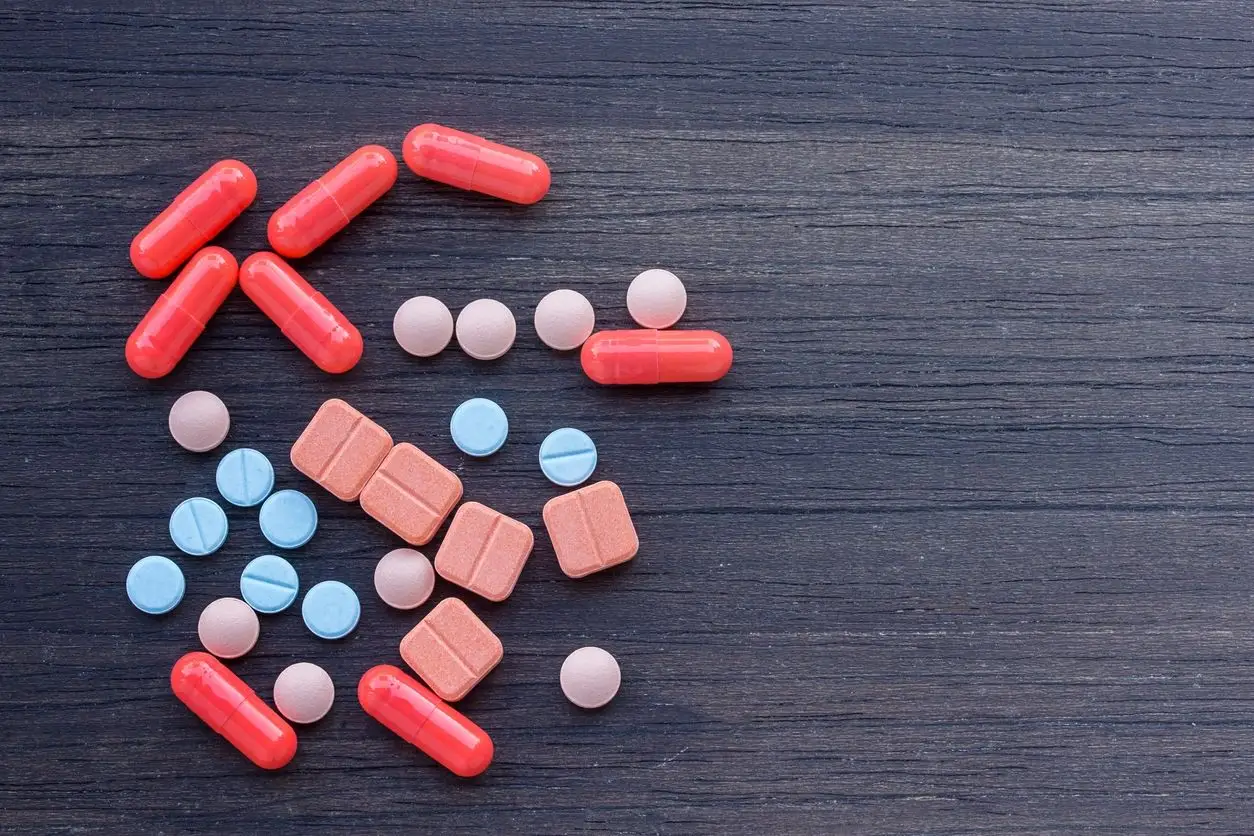
The Shadowy World of Synthetic Opioids: Legality, Dangers, and Available Types
Synthetic opioids, a class of powerful pain medications chemically engineered to mimic the effects of natural opioids like morphine, are a major public health concern. After the opioid crisis of the late 90’s and early 2000’s, their destruction lingers...

Xylazine: The Unsettling Intersection of Veterinary Tranquilizer and Illicit Drug
While Fentanyl continues to dominate headlines, there are equally destructive drugs emerging that threaten the vulnerable. Also known as “tranq” or “tranq dope,” Xylazine has found its way into the illicit drug supply. Xylazine is often mixed with already...

Interpersonal Neurobiology: A Novel Approach in Substance Abuse Recovery
Interpersonal neurobiology in addiction recovery blends neuroscience and relationships to heal trauma and support lasting sobriety.

Strategic Interventions: Guiding High-Net-Worth Individuals to Recovery
What Makes Interventions for High-Net-Worth Individuals Unique? Intervening with high net worth individuals (HNWIs) requires a strategic blend of discretion, customization, and emotional resonance. Rather than relying on external consequences like job loss or financial instability, effective approaches must...

Elevating Recovery with Motivational Interviewing Techniques
Motivational Interviewing supports recovery by building internal motivation, trust, and lasting change through empathy and collaboration.

The Stages of Change Model: A Roadmap for Transformation in Recovery
Stages of Change model guides personalized addiction recovery by matching treatment to readiness for change.

Fighting Fentanyl: How Therapy Can Help Overcome Addiction
Fentanyl addiction treatment uses therapy and support to address dependence, severe withdrawal, and mental health challenges for lasting recovery.

The Importance of Mental Health and Substance Abuse Treatment
Mental health and substance abuse stigma involves negative beliefs and discrimination, creating barriers to support, treatment, and recovery.