June 29, 2026
Last updated on October 8th, 2026 at 01:23 am
Eye Movement Desensitization and Reprocessing, or EMDR, is a structured psychotherapy developed in the late 1980s. In addiction treatment, the therapy has attracted growing clinical attention for a specific reason: the traumatic experiences that make people vulnerable to substance use are often the same experiences that EMDR is best positioned to address.
This article explains how EMDR works step by step, how it applies to addiction specifically, what the specialized protocols look like, and who tends to benefit most.
What Is EMDR Therapy?
EMDR stands for Eye Movement Desensitization and Reprocessing. Developed by psychologist Francine Shapiro in 1987 following her observation that lateral eye movements appeared to reduce the distress of intrusive thoughts, the therapy has since evolved into one of the most rigorously studied trauma treatments available. The World Health Organization, the American Psychiatric Association, and the Department of Veterans Affairs all recognize it as an evidence-based treatment for post-traumatic stress disorder, and research has expanded its applications into depression, anxiety, grief, and addiction.
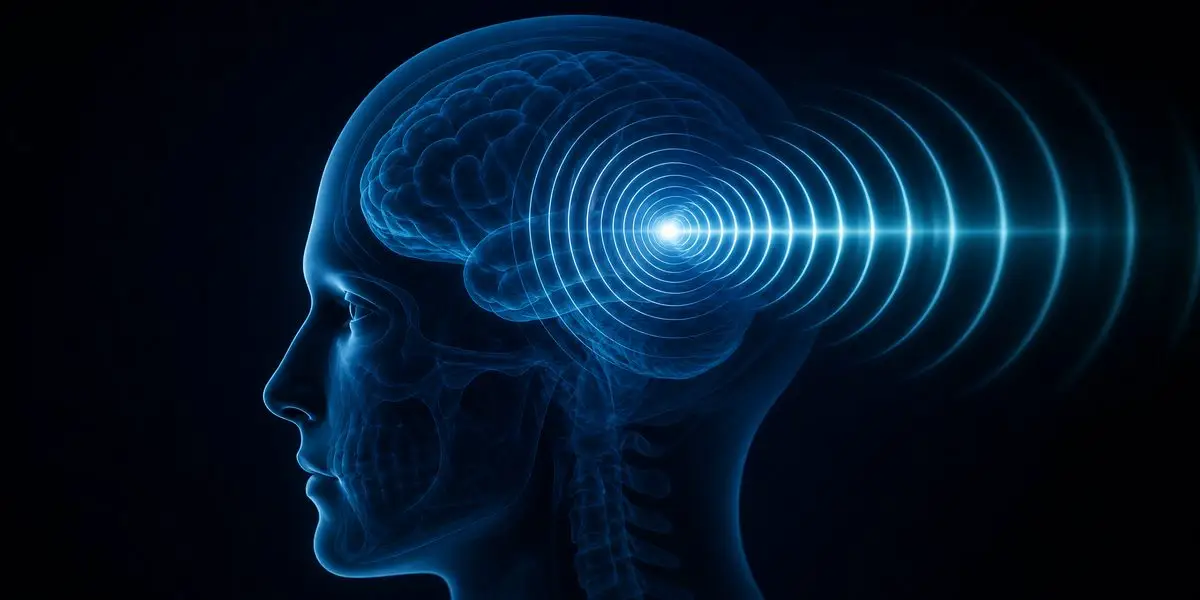
The core of EMDR is bilateral stimulation, a rhythmic side-to-side sensory input applied while a person deliberately recalls a distressing memory. Most commonly this takes the form of guided eye movements following a therapist’s hand or a light bar, but practitioners also use alternating auditory tones delivered through headphones or gentle taps on alternating hands. The bilateral stimulation is thought to engage the same neurological processes as REM sleep, the stage during which the brain consolidates memories and strips away excessive emotional charge. By pairing active memory recall with this stimulus, EMDR appears to allow the brain to reprocess the memory, reducing its power to generate the emotional urgency that so often drives reactive behavior.
What Is EMDR And How Does It Treat Co-Occurring Trauma And Addiction?
It also helps to know what EMDR is not. It is not hypnosis, and it does not require the client to narrate every detail of what happened out loud. Much of the work is internal, guided by the client’s own associations, which can make it far more tolerable for people who find talking through traumatic events overwhelming. That lower verbal demand is one reason the method integrates so smoothly into addiction care, where shame and avoidance are common.
Why Does Trauma So Often Lead to Addiction?
The connection between trauma and substance use is one of the most consistent findings in addiction research. Studies estimate that between 50 and 90 percent of people entering addiction treatment carry a significant trauma history, and co-occurring PTSD and substance use disorder are far more common than the exception. Understanding why this overlap is so pronounced matters for understanding why EMDR has a meaningful role in addiction treatment.
That overlap is stark among combat veterans. Carrara founder Richard Taite named it in a HuffPost column on care for military veterans: “One of the results of traumatic experience for soldiers is addiction.”
The mechanism is biologically coherent. Traumatic experiences disrupt the brain’s capacity to regulate emotion, heightening reactivity in the amygdala and blunting the prefrontal cortex’s ability to apply reason and restraint. Substances provide a rapid, chemically reliable route to relief from that dysregulation. Alcohol quiets anxious arousal. Opioids numb emotional pain. Stimulants temporarily override a flat, depressive baseline. Over time, the brain learns that substances are an effective, if costly, method for managing what trauma left behind. Research on why PTSD and substance use so often occur together identifies this pattern as a key driver of treatment resistance.
This is why behavioral interventions alone often produce limited results for people with significant trauma histories. The emotional drivers of use persist after detox, and the pull back toward substances remains strong. Examining EMDR for co-occurring trauma and addiction reveals why targeting the root rather than the behavioral surface is the central clinical argument for including this therapy in comprehensive addiction treatment programs.
What Happens During an EMDR Session?
EMDR follows a structured eight-phase protocol developed to guide clients from initial history taking through long-term resolution. In clinical practice, sessions move through three broad stages over multiple appointments, each building on the one before it. The pacing is deliberate: moving into reprocessing before adequate preparation is in place can leave clients destabilized, so the early work of establishing safety and coping capacity always comes first.
The same order guides trauma care beyond EMDR. Psychiatrist Dr. Bruce Perry, who discussed trauma and substance use on a May 2026 episode of Carrara’s podcast, We’re Out of Time, also puts regulation first in trauma healing, then relational reconnection, and cognitive reprocessing last.
1. Assessment and Preparation
Before any reprocessing begins, the therapist takes a detailed history and works to identify the specific memories, beliefs, and experiences that will become targets for treatment. This includes mapping the connections between past events and present symptoms, whether those symptoms show up as emotional reactivity, persistent cravings, avoidance behavior, or sleep disruption. The preparation phase also involves teaching the client grounding and stabilization techniques, concrete skills they can use between sessions to manage distress and to maintain a functional window of tolerance for the deeper work ahead.
2. Desensitization and Reprocessing
The central work of EMDR involves holding a target memory in mind while the therapist guides bilateral stimulation. The client focuses on a specific image from the memory, the negative belief associated with it such as helplessness or shame, and the body sensations the memory produces. Sets of eye movements or other bilateral stimulation follow in brief intervals, each interrupted by a pause in which the client reports what emerged: a new image, a shift in sensation, a different thought, or a change in emotional tone. This process continues until the distress level associated with the memory drops to near zero. The therapist then guides the client to install a positive cognition in place of the negative one and conducts a body scan to confirm that no residual tension remains.
3. Closure and Reevaluation
Each session ends with a deliberate return to equilibrium, ensuring the client leaves in a stable state rather than in the middle of activated material. Therapists use the grounding techniques established during preparation to close sessions cleanly. At the start of subsequent appointments, the therapist reevaluates the previously processed memory to confirm that gains held between sessions, checks for new material that surfaced in the interval, and identifies the next target in the treatment plan. This iterative structure continues until agreed treatment targets are resolved and reevaluation confirms the changes are stable.
How Does EMDR Reduce Cravings and Triggers?
One of the more counterintuitive findings in addiction research is that cravings are not simply about wanting a substance; they are often sustained by the vividness and emotional intensity of memories tied to it. Research has found that people with stronger cue-induced cravings carry more vivid sensory memories of past use and of the relief substances once provided. When those memories are activated by familiar triggers in everyday life, the craving that follows can feel physically urgent rather than merely conceptual.
EMDR addresses this dynamic through the same desensitization process it applies to traumatic memories. When the memories and beliefs that once drove someone toward substances lose their emotional intensity through reprocessing, the triggers built on those memories lose much of their power as well. An anxiety response that once reliably preceded a craving may diminish significantly after the underlying memory driving that anxiety has been processed and integrated, reducing the automatic quality of the trigger-to-use chain.
Brain research helps explain why the trigger-to-use chain behind a craving grows so automatic. In a September 2016 column for Psychology Today, Carrara founder Richard Taite cited brain imaging that tied the taste of a favorite beer to dopamine release in a region linked to anticipated reward: “As the brain rewires itself for this expected reward, it becomes increasingly difficult to stop the behavior.”
The neurological case is equally coherent. Trauma-related hyperactivity in the amygdala functions as a persistent internal alarm, one that substances learned to quiet. Neuroimaging research has shown measurable reductions in amygdala reactivity following EMDR treatment, which means the alarm becomes structurally quieter over time. A quieter alarm generates less urgency, and less urgency creates a wider space between the impulse to use and the possibility of responding differently.
What Specialized EMDR Protocols Are Used in Addiction Treatment?
Three protocols developed specifically for addiction extend EMDR beyond its standard trauma applications. Each targets a different mechanism underlying substance use, and trained therapists select among them based on what is primarily driving a particular client’s pattern. These approaches share clinical ground with somatic therapies for trauma and addiction, in that they treat the body’s stored responses as central to recovery rather than focusing exclusively on behavior.
- Desensitization of Triggers and Urge Reprocessing (DeTUR): Developed by A.J. Popky in 2005, DeTUR focuses on the triggers and urges that precede substance use rather than on historical trauma events. It identifies the strongest internal drivers of craving and systematically desensitizes them through bilateral stimulation, making the pathway from trigger to use less automatic and easier to interrupt before use occurs.
- CravEx (Craving Extinguished): Developed by Michael Hase in 2009, CravEx targets the vivid and emotionally charged memories of how a substance once felt. These intrusive recollections of past use exert a strong pull on behavior during early recovery, and CravEx applies reprocessing to reduce their intensity and the urgency they generate.
- Feeling-State Addiction Protocol (FSAP): Developed by Robert Miller in 2012, FSAP addresses the positive emotional state a substance once reliably produced. It works on the connection between that desired feeling-state and the act of using, dissolving the bond so that craving the feeling no longer automatically produces craving for the substance that once delivered it.
How Is EMDR Adapted Specifically For Addiction?
Standard EMDR was built for post-traumatic stress, so clinicians make several adjustments when a substance use disorder is also present. The adaptations protect safety, sharpen the focus on craving, and make sure trauma work supports rather than threatens sobriety.
- 1. Building Stability Before Processing Begins: Clinicians teach grounding, paced breathing, and dialectical behavior therapy skills for tolerating intense emotion without using. Only when distress is manageable and coping tools are used reliably does the therapist move into intensive memory reprocessing, which lowers the risk that the work itself provokes a return to substances.
- 2. Selecting The Right Memory Targets: Target selection in addiction work goes beyond classic index traumas. Therapists map the chain that leads to use: the memory that first offered relief, the shame-soaked event that activates self-criticism, or the sensory cue tied to past use. They may target the trauma itself, the moment a craving begins, or the internalized belief that distress cannot be survived.
- 3. Installing Beliefs That Support Recovery: The installation phase is expanded to include recovery-oriented cognitions. Rather than only affirming that a past event is over, the therapist helps the client install practical, action-ready beliefs such as the conviction that a craving can be tolerated or that reaching out for support is a strength. Clients often rehearse these responses in session and leave with a concrete plan for handling high-risk moments outside the office.
What Does the Research Show About EMDR for Addiction?
The evidence base for EMDR in addiction treatment is younger than for trauma, but it has expanded considerably and the direction of findings is consistent. A 2025 meta-analysis published in Frontiers in Psychiatry, synthesizing data from 14 clinical studies, found that EMDR produced significant treatment effects for people with substance use disorder. Effect sizes were moderate to high across key outcomes: craving reduction (g = 0.55), PTSD symptoms (g = 0.69), depression (g = 0.64), and anxiety (g = 0.72). These results held across different substances and different clinical populations, suggesting the mechanism of action is not substance-specific.
An earlier meta-analysis published in 2024 examined craving specifically as a primary outcome and reached similar conclusions. The authors noted that bilateral stimulation appeared to reduce the vividness and emotional intensity of substance-related memories in ways that translated into measurable craving reduction across studies reviewed, including samples drawn from people with alcohol, opioid, and stimulant use disorders.
The consistent pattern across studies is that EMDR performs particularly well when substance use is linked to trauma or emotional dysregulation. For people whose use developed as a direct response to adverse experiences, addressing those experiences through reprocessing appears to produce more durable outcomes than behavioral interventions used alone. Researchers note that additional large randomized controlled trials are ongoing.
Who Is a Good Candidate for EMDR in Addiction Recovery?
EMDR works best within a comprehensive treatment plan rather than as a standalone intervention. Clinicians typically find it most effective for people whose substance use has identifiable emotional or experiential roots, and who have sufficient stability to engage in memory reprocessing without becoming overwhelmed. The profiles below describe the presentations where EMDR is most consistently supported by clinical research and practical treatment experience.
- Co-occurring PTSD and substance use disorder: When trauma and addiction are both present, EMDR addresses both simultaneously by targeting the memories that sustain both diagnoses, which is why clinical guidelines increasingly recommend trauma-focused approaches for people presenting with this pattern.
- Histories of adverse childhood experiences: Early trauma shapes the stress response system in ways that persist well into adulthood. EMDR is well-suited to working with formative experiences, particularly when they are linked to patterns of self-medication that began in adolescence or early adulthood and have continued over many years.
- Persistent cravings tied to specific emotional states: Some people find that their strongest urges arise not from social exposure to substances but from particular emotional states such as grief, anxiety, or shame. This pattern suggests that emotional memory is driving the craving rather than habit or environment, which is precisely the mechanism that EMDR addresses.
- Treatment-resistant presentations: When someone has completed other forms of treatment without lasting results, investigating whether unprocessed trauma is sustaining the pattern is a reasonable clinical step. EMDR offers a different mechanism of action than behavioral therapies and may reach material that cognitive or skill-based approaches have not been able to address.
Who Is A Good Candidate, And What Are The Risks?
Those who have already built coping skills through approaches like cognitive behavioral therapy are often especially ready. A few cautions guide the timing and pace of the work.
- Active withdrawal or unstable use: intensive processing is usually delayed until the person is medically stable, because unmanaged use raises the risk of dissociation and poor outcomes.
- Severe dissociation or unmanaged psychiatric symptoms: active psychosis or uncontrolled mania calls for stabilization or alternative interventions before trauma reprocessing begins.
- Temporary spikes in distress: processing can briefly increase emotion or cravings, which therapists manage with shorter sets, gentler bilateral stimulation, and strong safety planning.
- Need for a trained clinician: outcomes improve when the therapist is experienced in both trauma and addiction and coordinates closely with the wider care team.
Is There a Path Forward That Treats the Trauma Behind the Addiction?
For many people, lasting recovery begins not with managing behavior but with addressing the experiences that made substances feel necessary in the first place. Carrara Treatment Wellness & Spa integrates EMDR alongside a full spectrum of evidence-based and holistic therapies, within a program built around clinical depth, genuine personalization, and meaningful privacy. With a private estate in Malibu and acceptance of more than 14 insurance providers, Carrara offers the conditions for deep, sustained healing. Take the first step toward recovery.
Sources
- Richard Taite, “A Helping Hand for Military Veterans,” HuffPost, July 2013 (approximate).
- Richard Taite (host) with Dr. Bruce D. Perry, “How Childhood Trauma Shapes Your Entire Life with Dr. Bruce Perry,” We’re Out of Time, Episode 84, Carrara Treatment, May 19, 2026.
- Richard Taite, “Here’s Why Your Brain Makes Quitting Drugs/Alcohol So Hard,” Psychology Today, September 16, 2016.

Britney Elyse, LMFT, is an experienced mental health professional and clinical leader with more than 15 years of experience in behavioral health, addiction treatment, and recovery services. She currently serves as Director of Compliance & Clinical Services at Carrara Treatment, Wellness & Spa, where she oversees the clinical team, treatment programming, staff development, documentation standards, and coordination of care with physicians and psychiatric providers.
Throughout her career, Britney has held leadership and clinical roles at respected treatment programs including Cliffside Malibu, Cast Recovery, The Hills Treatment Center, and Tarzana Treatment Centers. Her experience encompasses individual and family therapy, clinical assessment, treatment planning, case management, utilization review, and the development of trauma-focused programming.
Britney’s therapeutic background includes trauma-informed care, Somatic Experiencing, DBT, relapse prevention, family therapy, and stages-of-change interventions. She is passionate about creating thoughtful, individualized treatment plans while supporting clients and their families throughout the recovery process.
Britney earned her Master’s degree in Clinical Psychology with an emphasis in Marriage and Family Therapy from Antioch University and has pursued advanced training in Somatic Experiencing Therapy. Her approach combines compassionate client care with strong clinical leadership and a commitment to maintaining the highest standards of treatment.
Credentials: MA, LMFT. California Licensed Marriage and Family Therapist 90937 (Board of Behavioral Sciences). MA, Antioch University. Member, CAMFT.