“Holistic” gets used to sell a lot of nonsense, so here is the plain version – a holistic diet is eating chosen for the whole system, body, brain and routine together, and in recovery at Carrara that stops being a philosophy and starts being clinical.
A holistic diet is a way of eating chosen for the whole system at once, body, brain, sleep and stress, rather than for a single number on a scale or a lab report. It is a pattern, not a prescription. Call it holistic eating, balanced holistic nutrition, a holistic diet plan or holistic meals; every holistic plan is the same pattern wearing a different label, and the lifestyle sells better than the discipline.
The question isn’t “does this lower X”; it’s “does this feed everything at once”: energy, mood, sleep, gut.
Mostly whole foods, mostly plants, enough protein, real fat. No banned-foods theology.
What you eat most days matters more than anything you ate once. Restriction diets fail on schedule; patterns hold.
Sleep, stress and movement change what food does. That’s the “holistic” doing actual work rather than decorating a label.
A personalized nutrition plan is the holistic pattern fitted to one person: built around your health history, your stage of recovery, your allergies and what you actually like to eat, rather than a meal template handed to everyone in a program. In recovery the body is often running a deficit, because substance use, poor sleep and stress deplete what the brain and organs rely on, so the plan does more than fill calories. It targets the gaps your body needs closed, at a pace it can absorb.
At Carrara that plan is written with you when you arrive, and the private chef who cooks it works from it every day.
The honest version of the list, including the part other pages leave off: what shrinks.
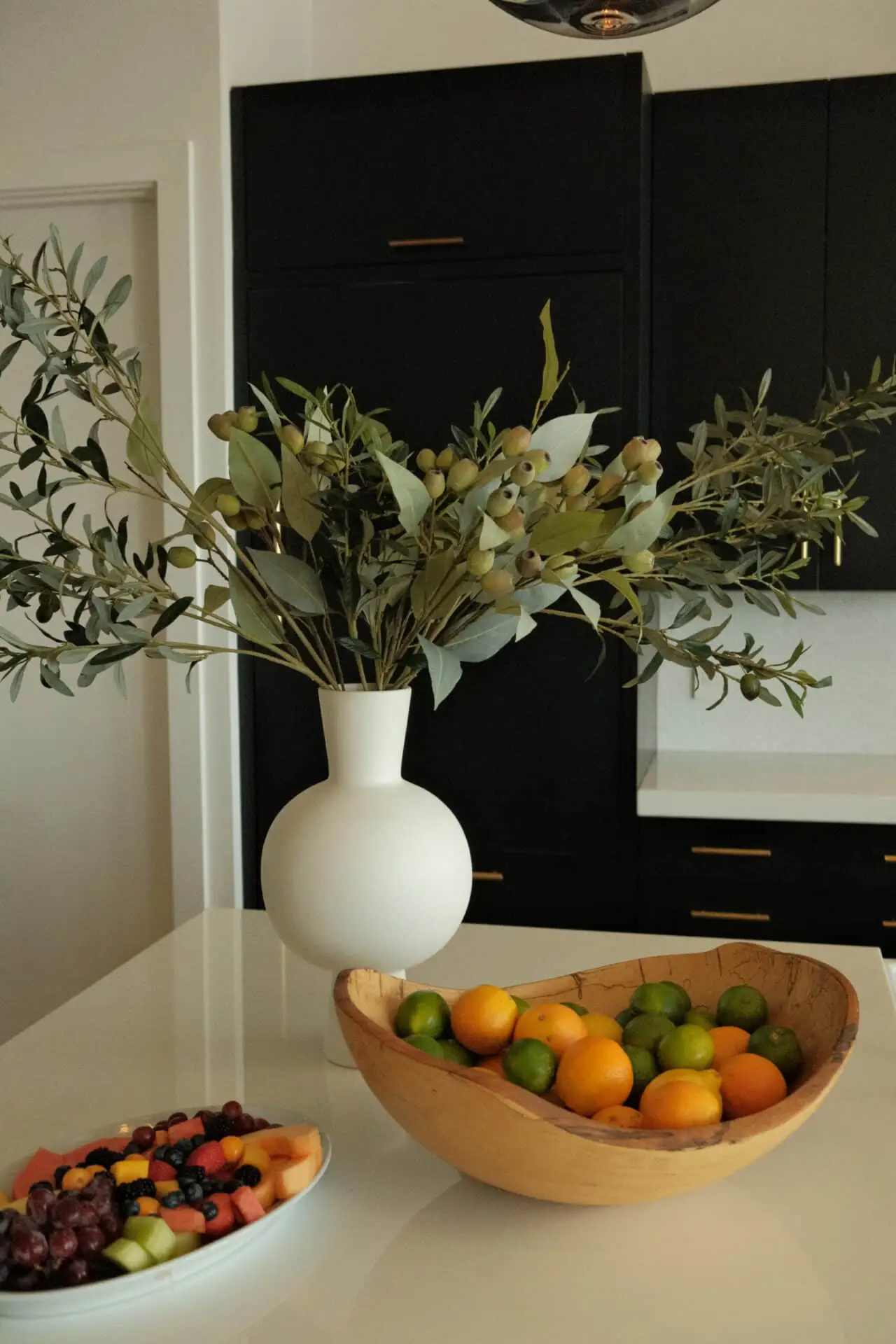
The bulk of the plate, in more colors than beige, organic where it earns its price. Fiber is the quiet hero of mood and gut alike.
Oats, rice, real bread. Steady fuel instead of the spike-and-crash that mimics half the feelings recovery is trying to settle.
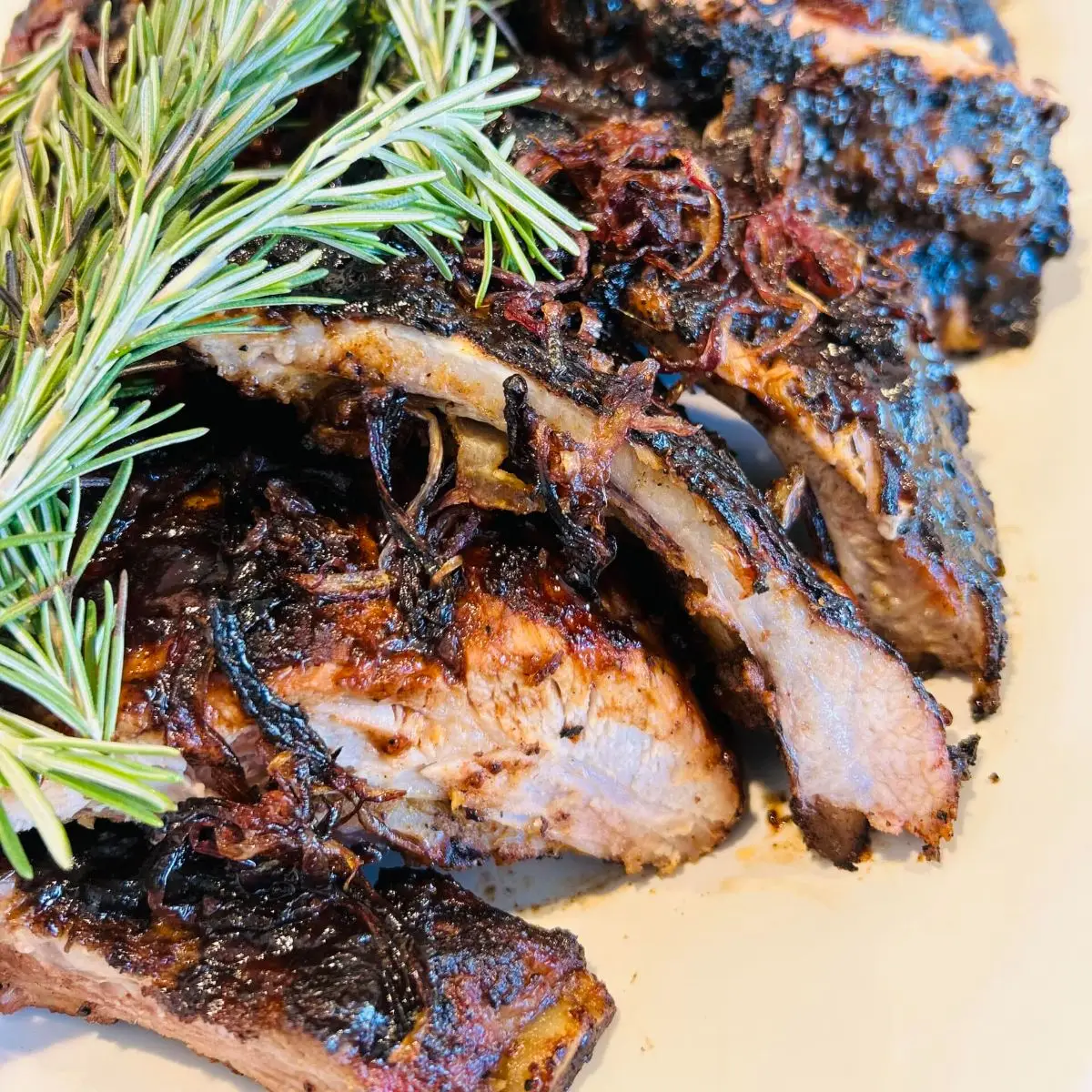
Fish, poultry, eggs, legumes. The raw material of every repair the body is doing.
Olive oil, avocado, nuts, fatty fish. The brain is mostly fat; feed it like you mean it.
Yogurt, kefir, kimchi and their cousins, because the gut and the mood stopped being separate subjects years ago.
Ultra-processed food, added sugar, and alcohol, which was never food. Shrinks, not banned, and no food shaming: patterns, not theology.
What a holistic meal plan looks like at the level that matters, which is a day.
Protein and real fat before caffeine does all the talking; the day’s stability is set here.
The biggest plate of the day, when the body can actually use it: protein, grains, half of it plants.
Earlier and lighter than the culture wants, because dinner is also a sleep decision.
Repeat imperfectly. A day like this most days beats a perfect week you’ll never have. Building one plate is its own skill.
For most people a holistic diet is wellness. For a person in early recovery it is closer to medicine, because the body arrives depleted and the appetite arrives confused.
Substance use, poor appetite and disrupted digestion leave predictable gaps, and the refill is specific rather than general. These are the common ones.
Food supports recovery through a few unglamorous mechanisms: steady blood sugar, less inflammation, and the nutrients the brain uses to repair itself. None of it replaces medical care; all of it makes medical care easier to do.
Steady meals mean fewer spikes and crashes, and the crash mimics half the feelings early recovery is trying to settle, cravings included.
Leafy greens, cruciferous vegetables, colorful produce and omega-3 rich fish, in place of the ultra-processed food that recovery tends to reach for.
Some foods earn their place in a recovery kitchen for what they do for memory, focus and mood.
Stress hormones rewrite hunger in both directions, which explains how stress may impact food consumption at either extreme; trauma can cause loss of appetite or turn food into a battleground, and for people carrying PTSD those symptoms can reach as far as eating disorders that need their own clinical care. Trauma-informed nutrition starts smaller: in recovery, eating regularly is nervous-system work before it is nutrition.
Fiber, fermented foods and enough water, because the gut and the mood stopped being separate subjects years ago.
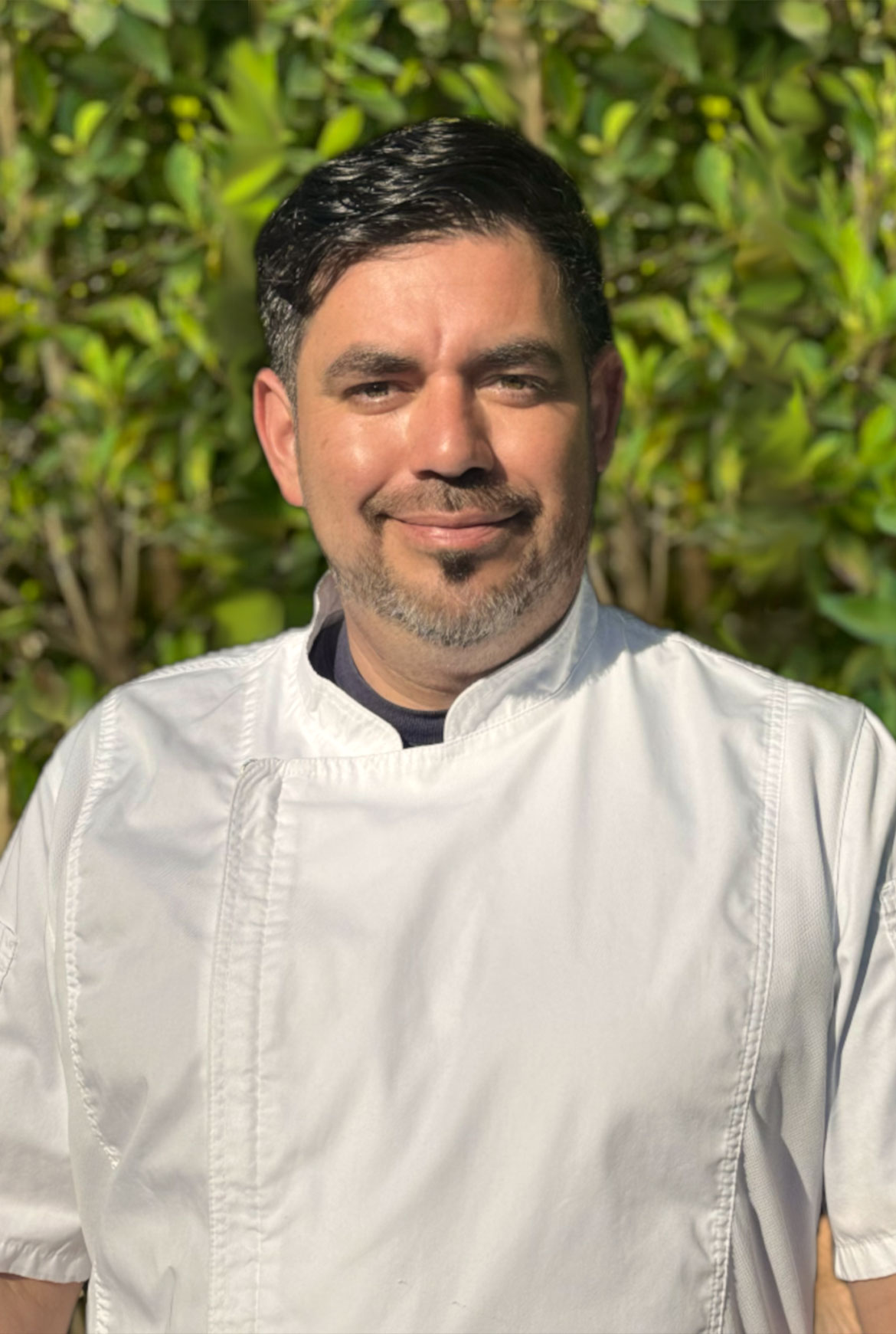
Because in the first days of treatment most people don’t feel like eating, and nobody feels like cooking. At Carrara the diet plan is not a handout, it’s dinner. Chef Ross, Executive Chef, prepares every meal in the house each day, with Sous Chef Caroline Kish, for six people at most.
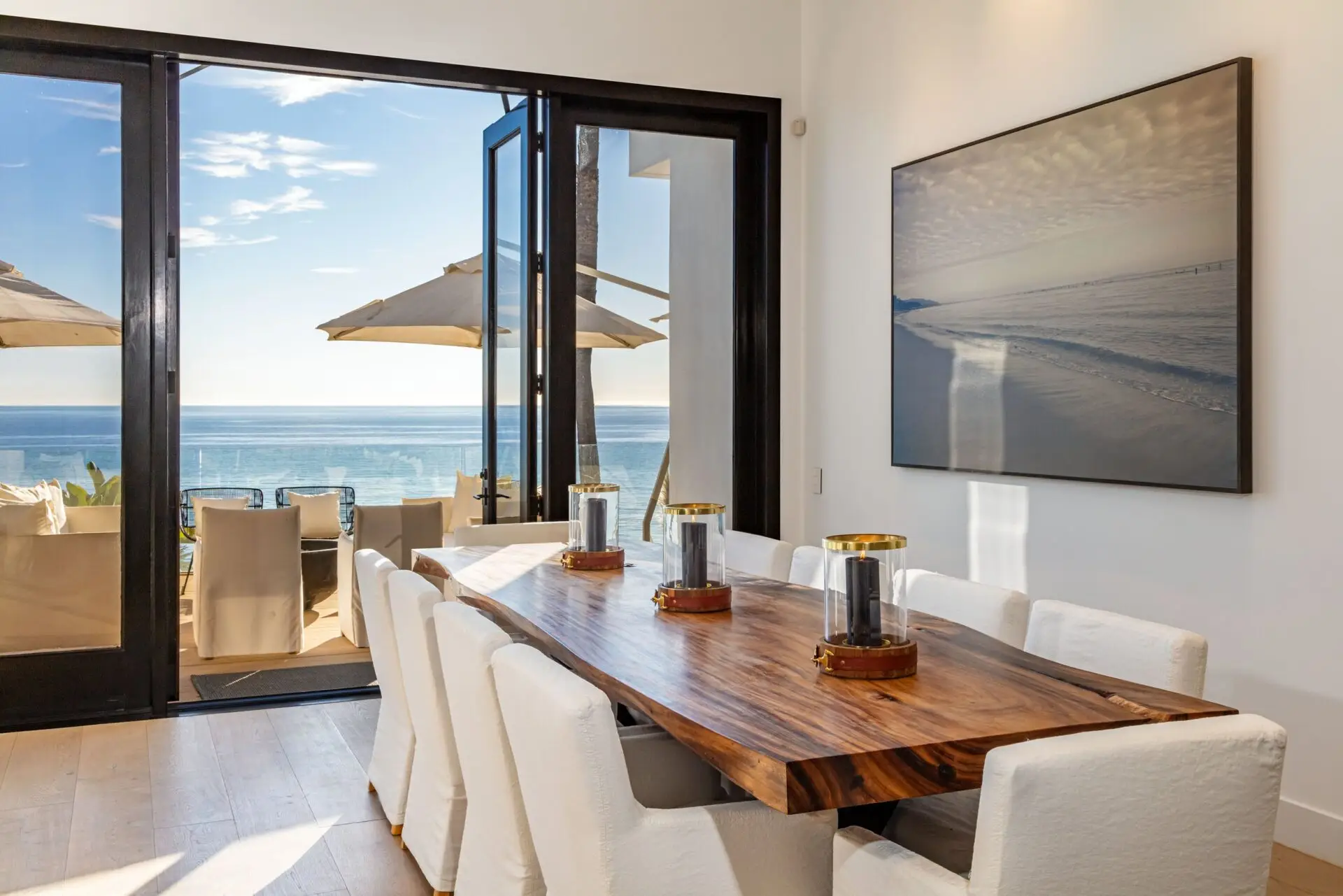
He works with the medical team and your personal trainer to learn what your body needs, then cooks to that: appetite coaxed back gently in the first days, rebuilding after. Allergies are built into your plan from the start, and if something on it isn’t working for you, tell him; ingredients change without the nutrition changing. Meals are served at the table, and you can eat in the dining room with the house or on your own when you’d rather not talk.
Every plate has the same job: real nutrition, real flavor, and a meal that supports the treatment around it.
The team sits down with you to learn what you like, what you can’t eat, and how your appetite is doing.
The chef works from the medical team’s and trainer’s notes, so the plate matches the stage of treatment.
Whole foods in the right proportions, cooked fresh in the house kitchen every day.
As appetite returns and treatment moves, the plan moves with it, and substitutions are always on the table.
Nutrition advice becomes treatment the day somebody else cooks it. Carrara Treatment, Malibu
A balanced diet balances nutrients; a holistic diet balances the life around them too: sleep, stress, routine and the reasons you eat the way you do. That’s all “holistic health” means in terms of diet: the eating pattern plus the life around it.
No. Restriction diets fail on schedule. A holistic pattern is defined by what fills the plate, not by what’s forbidden from it.
Yes. Allergies and dietary needs are built into your meal plan from the first conversation, and substitutions are made without losing the nutrition the plan calls for.
No. Meals can be taken in the dining room with the house or privately, whichever the day calls for.
One confidential call with Carrara’s own admissions team, and yes, you can ask what dinner looks like; it’s one of our favorite questions. Ask for admissions on (888) 383-5207.
The clinical program does the treatment, and the table does more of the holding-you-there than anyone admits. Call and ask how the first week’s meals actually work, what the kitchen can handle, and whether this is the right place. The person who answers works at Carrara.
If this is an emergency, call 911. For free confidential support 24 hours a day, call or text 988.
This page is general information, not medical advice.